NETGEAR is aware of a growing number of phone and online scams. To learn how to stay safe click here.
Forum Discussion

530_R4i8R
Jan 06, 2016Tutor
RN102 After duplicated HDD to larger capacity, total capacity not correctly reported
My intended goal was to upgrade the drives to 1TB and mirror the data on the first drive to the second. So I was feeling pretty lazy and I went about attempting to upgrade my RN102 v6.4.1 disks the sloppy way and ended up making more work for myself. Now I'd like to fix the incorrectly reported total volume capacity, any suggestions would be appreciated, I looked through the forum for similar situations and could not find an exact match.
(I had spare HDDs lying around when I setup my NAS so that why the HDD sizes were odd/mis-matched) Slot I-230GB & Slot II-2TB and I wanted to upgrade to WD Red 1TB drives.
I believe they were setup in Flex-Raid? or Raid1, I don't remember how I set it up (See screenshot) *UPDATE* confirmed it was setup RAID1
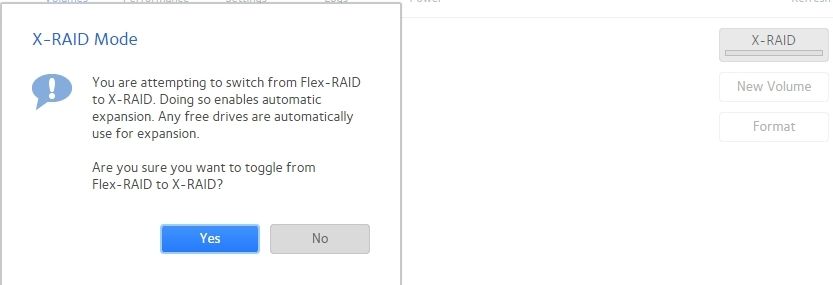
I gracefully shutdown the NAS and put the 320GB HDD in my CableMatters HDD Duplicator and duplicated the HDD to a WD Red 1TD drive and placed a freshly formatted WD Red 1TB in slot II. I knew it wasn't the correct way but I figured it would be quicker and I could just connect the HDDs to my PC and open up Disk Management and extend the partion to use up all the unallocated space and then put them back in the NAS... yeah I tried that, it didn't work.
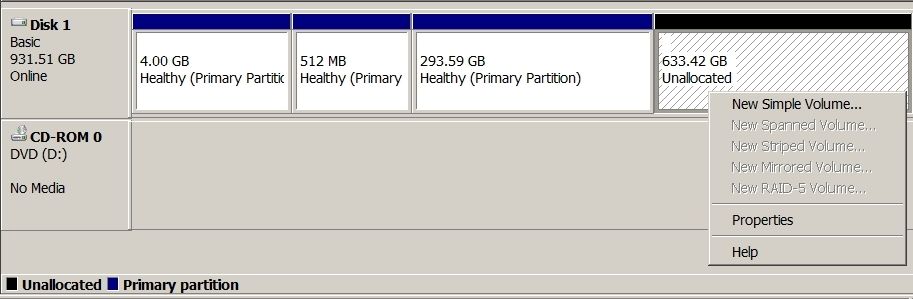
FML, I am not familiar with storage and have created a little mess, I would love to learn from this experience. Thanks for any advice.
*UPDATE*
mdgm thanks for the advice, I'll remember it should/when I ever have to upgrade to larger HDD's in the future.
Turns out I monkeyed my way into making my sloppy HDD upgrade work. I previously rebooted the NAS several times when I first realized the total drive capacity was not correct hoping it would resync and correctly report the volume capacity, it didn't work which is why I originally started this thread.
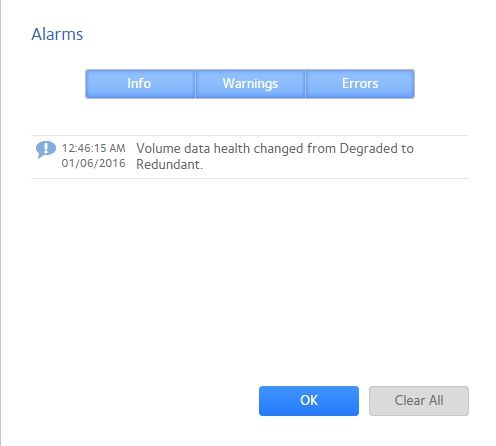
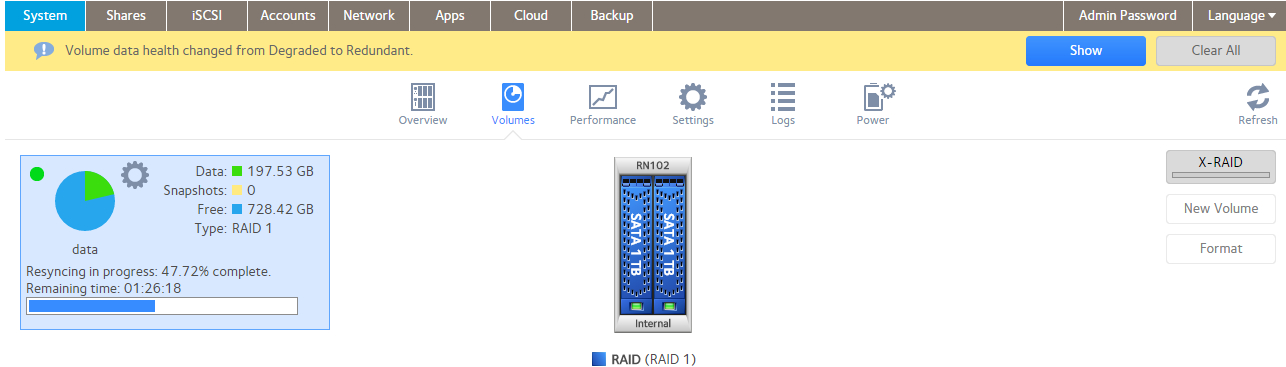
After I posted this thread I shut down the NAS and removed the drives to label them, when I reseated the drives and rebooted the drive health initally showed up as degraded as it went through a resync process and finally showed up as healthy and redundant, it is still in the resync process at 45% complete but it appears as though it has corrected the disk capacity issue on it own

5 Replies
Replies have been turned off for this discussion
- mdgm-ntgrNETGEAR Employee Retired
If the 320GB HDD was in RAID with the 2TB hdd then you would have needed 2x2TB disks to expand the volume, I think.
Also extending the partition sizes using disk management is not the way to do things. The NAS would create a new partition where needed and expand if you were using X-RAID. Expansion will only take place when redundant space can be added.
I think at this point, the best thing would be to backup your data, do a factory default (wipes all data, settings, everything) with the 2x1TB disks in place and restore your data from backup.
Thanks, I'll end up Factory Defaulting then; to perform a backup is the following link the best guide to follow should I choose to backup to a USB HDD?
*UPDATE*
mdgm thanks for the advice, I'll remember it should/when I ever have to upgrade to larger HDD's in the future.
Turns out I monkeyed my way into making my sloppy HDD upgrade work. I previously rebooted the NAS several times when I first realized the total drive capacity was not correct hoping it would resync and correctly report the volume capacity, it didn't work which is why I originally started this thread.
After I posted this thread I shut down the NAS and removed the drives to label them, when I reseated the drives and rebooted the drive health initally showed up as degraded as it went through a resync process and finally showed up as healthy and redundant, it is still in the resync process at 45% complete but it appears as though it has corrected the disk capacity issue on it own

Related Content
NETGEAR Academy

Boost your skills with the Netgear Academy - Get trained, certified and stay ahead with the latest Netgear technology!
Join Us!
